Power of Grower
Current Kissan Basmati Paddy (1509) Rates Amid Flood Losses
addy (Dahan) Kissan Basmati (1509) Rate Today Rs 6000/ to Rs 6250/ per 40Kg Us Doller rate Us 21.42 to Us 22.32 per Kg peek rate of previous years. After that Rate Extending Reason flood losses 2025 in Pakistan
Basha Groups
1/7/20261 min read

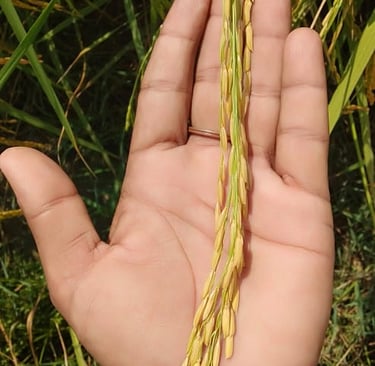
Understanding Basmati Paddy Pricing
The market dynamics of Basmati paddy (Dahan) have recently caught the attention of agricultural experts and farmers alike. As of today, the rate for Basmati paddy is fluctuating between Rs 6000 to Rs 6250 per 40 kg. This pricing reflects the ongoing challenges faced by farmers, particularly after the flood losses reported in Pakistan.
Current Dollar Rates and Its Impact
In addition to local pricing, the exchange rate for the US dollar plays a crucial role in determining the value of Basmati paddy. Presently, the dollar rate ranges from USD 21.42 to USD 22.32 per 40kg. This exchange rate affects export viability and competition against international markets, making it essential for local producers to stay informed about currency fluctuations.
Factors Influencing the Price of Basmati Paddy
Several factors contribute to the current rate of Basmati paddy, particularly the significant flood losses reported in 2025. These natural disasters have not only devastated farmlands but have also altered supply chains and disrupted the normal distribution of agricultural products. As a result, prices are expected to face further pressure, prompting farmers and buyers to adapt to these changing market conditions.
Moreover, historical peak rates from previous years serve as a benchmark for understanding current valuation. While the rates are currently set at Rs 6000 to Rs 6250, there is an expectation of continuous adjustment based on the productivity levels and recovery efforts from the recent floods.
In conclusion, the Basmati paddy rates today reflect a complex interaction between local market conditions, international dollar rates, and unforeseen environmental challenges. Stakeholders in the agricultural sector must navigate these turbulent waters to ensure a stable return on their investments.