Power of Grower
Understanding Kissan Basmati 1509: Optimal Paddy Seeds for Agriculture
Understanding Kissan Basmati 1509: Optimal Paddy Seeds for Agriculture
Basha Groups
12/18/20251 min read
Introduction to Kissan Basmati 1509
The world of agriculture is constantly evolving, and one of the most important aspects is the selection of the right seeds. Among the various options available, the Kissan Basmati 1509 has emerged as a prominent choice for paddy farmers in Pakistan. This blog post aims to explore the distinctive features of this particular variety of paddy seeds, its benefits, and the optimal conditions for its cultivation.
Description and Characteristics
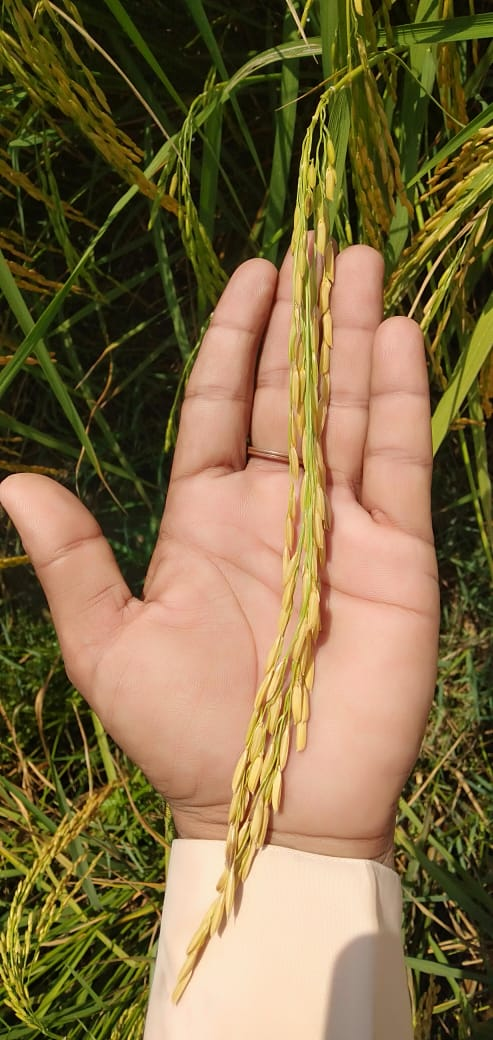
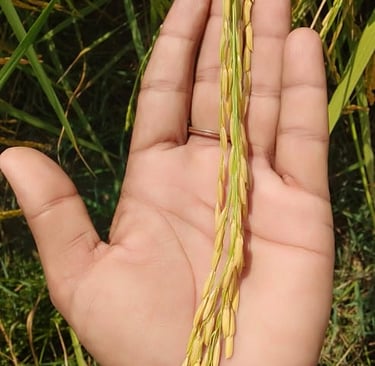
Kissan Basmati 1509 is a high-quality variety of rice that is well-known for its fragrant aroma and long grains. This paddy seed is characterized by its resistance to diseases, making it suitable for various agricultural conditions. Farmers appreciate this variety not only for its premium quality but also for its impressive yield potential. Kissan Basmati 1509 can yield approximately 2.6 to 3.2 tons per acre, depending on the soil quality and climatic conditions.
Optimal Yield and Cultivation Timing
The success of paddy cultivation using Kissan Basmati 1509 largely depends on several factors, including timing and agricultural practices. The seed requires a specific period for optimal growth, and it thrives in warm conditions. Ideally, land preparation should begin in early spring, allowing the seeds to be sown by mid-May to maximize yield. Farmers are advised to monitor the water levels meticulously during the growing season, as the variety performs best in well-irrigated fields.
In terms of harvesting, Kissan Basmati 1509 is typically ready for harvest around 100 to 105 days after sowing. This timely consideration is crucial for ensuring that the grains have reached their full quality and market value.
In conclusion, choosing Kissan Basmati 1509 paddy seeds can significantly impact agricultural productivity in Pakistan. Its high yield potential, coupled with resistance to diseases, makes it a preferred choice for many farmers. Adhering to optimal cultivation timings and proper agricultural practices will further enhance the overall success of the harvest.